

Last Updated: November 12, 2026
Quick Summary
To start mindfulness meditation daily, sit comfortably in a quiet spot for about 10 minutes and focus gently on your breath. When your mind wanders, notice it and return to the breath, and keep the bar low by beginning again the next morning if you miss a day.
- Start with about 10 minutes rather than 30 or 60 minutes on day one.
- Practice in a quiet, low-traffic spot and keep the same place each day.
- Sit upright with feet flat and hands resting on your lap.
- When your thoughts drift, label them as thinking and gently return to the breath.
- Follow a four-week plan, adding a few minutes each week until you reach 10.
Table of Contents
Learning how to start mindfulness meditation daily can feel intimidating, especially if you have never sat quietly before. Short, steady practice tends to beat long, rare practice, and that is a simple lesson for newcomers to remember. A few minutes each day builds the habit that makes meditation stick.
Many beginners try to sit for 30 or 60 minutes on day one. That usually ends with frustration and a skipped week. Starting with about 10 minutes gives your mind room to settle without overwhelming your schedule. Over time, you can extend the time if you want to.
Think of mindfulness meditation as a skill, like learning a new language or an instrument. Skills grow through repetition, not through one heroic session.
- Short sessions are easier to fit into a busy day.
- A small goal is easier to keep than a big one.
- Daily repetition trains attention faster than occasional long sits.
Mindfulness meditation is the practice of paying gentle, nonjudgmental attention to the present moment. You notice your breath, your body, and your thoughts without trying to change them. For a clear, beginner-friendly introduction, Harvard Health's guide to mindfulness meditation offers helpful background on how the practice works.
Keep the bar low at first. If you miss a day, simply begin again the next morning.
Setting Up a Quiet, Comfortable Place to Practice
A good practice space does not need to be fancy. You need a spot where you can sit without interruptions for about 10 minutes. A corner of a bedroom, a chair by a window, or a cushion in a quiet room all work well.
Look for a place with few distractions. Turn off notifications, close the door if you can, and let people nearby know you need a few quiet minutes. Comfort matters too, so choose a seat that supports your back and a surface that feels steady.
Many people enjoy adding small touches that signal "this is my time." A calming scent can help set the mood. Our Meditation Gem Infused Perfume is one option readers often choose to create a relaxing atmosphere. A simple Meditation HEM Incense Stick at $1.50 for about 20 sticks can also mark the start of your session.

- Choose a quiet, low-traffic spot.
- Keep the space clear of clutter.
- Use a scent, candle, or light to mark the start of practice.
- Keep the same spot each day to build a routine.
How to Do Mindfulness Meditation: A Step-by-Step Beginner Session
This section walks you through a simple first session. You only need a few minutes and a willingness to notice what happens.
Choosing Comfortable Posture and Focusing on the Breath
Sit upright with your feet flat on the floor, or cross your legs if that feels natural. Rest your hands on your lap. Let your shoulders drop and your jaw soften.
Many beginners find a supportive cushion makes sitting easier. A Tree Of Life Cushion Blue or a Round Velvet Cushion W Lotus can lift your hips and ease pressure on your knees and lower back, so you can stay still longer.
Once you feel settled, bring your attention to your breath. Notice where you feel it most clearly, such as the rise and fall of your belly or the air moving at your nostrils. You do not need to change your breathing. Just observe it.
Noticing Wandering Thoughts and Returning Attention
Your mind will wander. This happens to everyone, including experienced meditators. When you notice that your thoughts have drifted to a grocery list or a conversation, gently label the thought as "thinking" and return to your breath.
This moment of noticing and returning is the real practice. Each time you come back, you strengthen your attention. Do not judge yourself for wandering. Simply come back again.
Watch out: if you start to feel frustrated because your mind keeps wandering, treat that frustration as another thought to notice, then return to the breath.
5 Minute Guided Meditation for Beginners: A Practice to Start With
If sitting in silence feels too open-ended, a guided practice can give you structure. Set a timer for five minutes. Sit comfortably, breathe naturally, and follow these steps:
- Minute 1: Settle in and notice your posture.
- Minute 2: Follow the breath as it moves in and out.
- Minute 3: Notice sounds in the room without naming them.
- Minute 4: Notice any thoughts or feelings, then return to the breath.
- Minute 5: Slowly open your eyes and take one full breath before standing.
Guided audio or a recorded session can also help. Many people prefer a voice to lead them, especially in the first weeks.
A Realistic Daily Plan for Your First Month
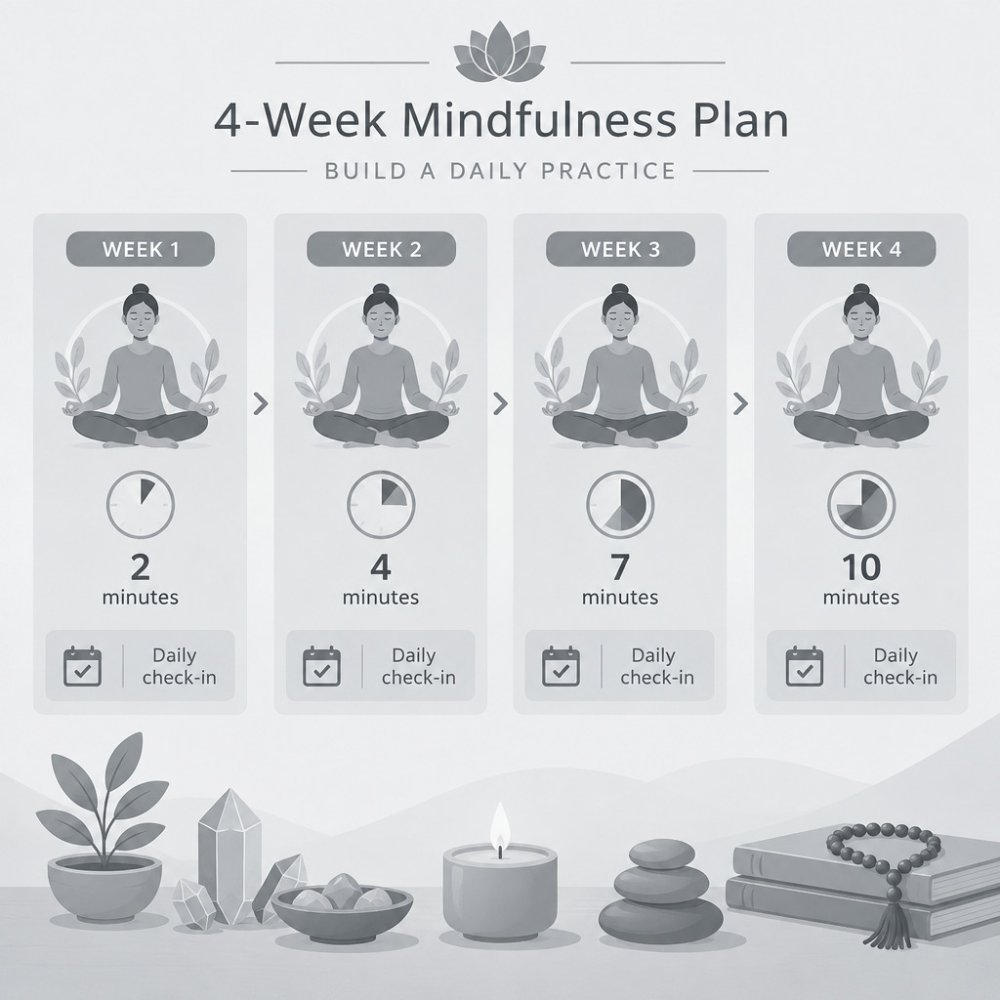
A steady plan keeps practice manageable. Here is one approach you can follow:
- Week 1: Practice 2 minutes each day.
- Week 2: Practice 5 minutes each day.
- Week 3: Practice 7 minutes each day.
- Week 4: Practice 10 minutes each day.
Pick a fixed time, such as after your morning coffee. Mark each day you practice on a calendar. If you miss a day, do not double up. Just return to your planned length the next day.
Troubleshooting Common Beginner Experiences
Some challenges come up almost every time. Knowing what to expect can make them easier to handle.
- Restlessness: Try a shorter session or a gentle stretch first.
- Sleepiness: Sit upright and practice earlier in the day.
- Boredom: Shift focus to a different sensation, like sounds or touch.
- Feeling you are doing it wrong: There is no wrong way to notice your experience.
Many people also worry that they do not feel "calm" enough. Calm is not the goal. Noticing is the goal. Some sessions feel peaceful, and others feel busy. Both count.
How to Practice Mindfulness in Daily Life Beyond Your Cushion
Mindfulness does not stay on the cushion. You can bring it into everyday tasks, like washing dishes, walking to your car, or waiting in line. Pick one routine activity each day and give it your full attention for a minute.
Notice the warm water, the sound of the walk, or the feel of your breath. This small habit builds awareness throughout the day, not just during your timed practice.
Choosing Your First Guided Session and Tools to Support Your Practice
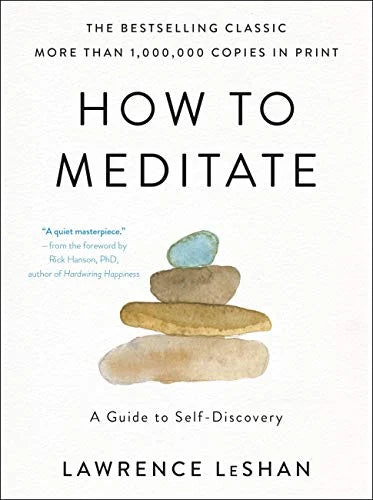
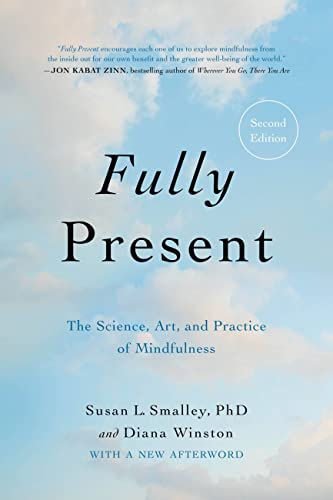
Many beginners find it helpful to pick one structured resource and stick with it. A book can explain the basics in depth. How to Meditate by Lawrence LeShan at $15.99 offers clear, practical instruction, while Fully Present by Susan L Smalley at $17.99 focuses on integrating mindfulness into daily life.
A guided program can also help you build the habit. The Meditation Bible and Change Your Thoughts Meditation are both options readers often use to structure their practice. A simple Zen Garden Set (6x8") at $34.95 can serve as a calm desk tool for brief pauses during the day.
Choose one resource, use it for a month, and then decide whether to add another.
Frequently Asked Questions
How long should a beginner meditate each day?
Most beginners do well starting with about 2 to 5 minutes daily. You can build up to around 10 minutes over several weeks as the habit settles.
Do I need special equipment to start?
No. A quiet space and a comfortable seat are enough. Cushions, scents, and books can help, but they are optional.
Ready to deepen your practice? Visit Spiritually Rooted to find the tools, books, and guidance that support your daily meditation. Start small, stay consistent, and let your practice grow with you.
Frequently Asked Questions
How long should a beginner meditate each day?
Most beginners do well starting with 2 to 5 minutes a day and building toward 10 minutes over several weeks. Short, consistent sessions build the habit more reliably than long sessions you dread. Once a short session feels easy, you can extend it by a minute or two at a time. There is no required length; what matters most is returning to the practice most days.
How do I make daily meditation a habit?
Attach your practice to something you already do, such as after your morning coffee or before brushing your teeth. Keep the session short at first, set a visible reminder, and track each day you sit. If you miss a day, simply resume the next day rather than trying to make up the time. Consistency over a few weeks matters more than the length of any one session.
What should I focus on during mindfulness meditation?
Most beginners focus on the breath, noticing the sensation of air moving in and out at the nose, chest, or belly. When your attention drifts to thoughts, sounds, or body sensations, gently note what happened and bring attention back to the breath. Wandering attention is not a failure; noticing it and returning is the practice itself.
Can mindfulness meditation help with anxiety?
Some people find that regular mindfulness practice helps them notice anxious thoughts with more distance and feel less reactive to them. Results vary, and mindfulness is not a substitute for professional care. If anxiety is significantly affecting your daily life, talk with a licensed health care provider alongside any meditation practice.


