
Quick Summary
The best way to find high quality ritual tools locally is to visit a shop in person and handle each piece before buying. Weight, finish, and joins are hard to judge from photos, and a local store lets you ask questions and compare options side by side.
- Check weight, finish, joins, and material before buying any ritual tool.
- Ring a bell and listen for a clear tone rather than a dull thud.
- Ask the seller where the material came from and whether it is natural or treated.
- Handle the exact item you will buy, not the floor model.
- Match the price tier to how often you plan to use the tool.
Table of Contents
- Why Buying Ritual Tools Locally Makes a Difference
- Ritual Tools for Beginners: The Core Items to Start With
- How to Choose Ritual Tools: A Checklist for Judging Quality In Person
- Essential Items for a Ritual and What Each One Does
- How to Vet a Local Metaphysical Shop
- How to Cleanse Ritual Tools Properly Before Use
- Why Buying Ritual Tools Locally Makes a Difference in Western New York
- Your Next Step: Visit Spiritually Rooted and Shop the Collection
- Frequently Asked Questions
Why Buying Ritual Tools Locally Makes a Difference
Buying ritual tools in person lets you handle them before you commit. Weight, finish, and fit are hard to judge from a product photo, and a local shop lets you check all three.
Online listings often hide the details that matter most. A bell can sound thin, a chalice can wobble on a flat surface, and a wand can feel unbalanced in the hand. Shopping in person removes that guesswork. You can ask questions, compare two options side by side, and leave with the piece that feels right for your practice.
Local shopping also gives you a clearer sense of who you are buying from. You can see how the staff handles the stock, whether the shop is organized, and whether the people behind the counter can explain what they sell. Those details tell you far more about quality than a star rating.
Ritual Tools for Beginners: The Core Items to Start With
A beginner does not need a full altar on day one. A few well-chosen items cover most basic practices, and each one has a clear job.
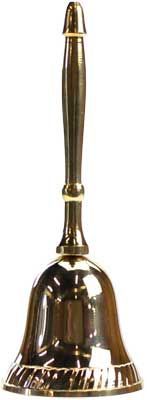
Our Brass Hand Bell (3") is a sound place to begin. It is priced at $9.95, and its clear, high tone marks the start and end of a meditation or helps clear stagnant energy from a room.
Pair the bell with a cleansing tool. Our Cleansing - Sage & Gemstone Set is priced at $8.95 and combines white sage with amethyst and clear quartz. It is a practical starting point for clearing a space before you work in it.
Many beginners also add a small offering bowl early on. Our Om Copper Offering Bowl (3") costs $14.95 and holds offerings, incense, or small ritual items. Its size makes it easy to fit on a small altar.
How to Choose Ritual Tools: A Checklist for Judging Quality In Person
When you are in a shop, use this checklist to judge a tool before you buy:
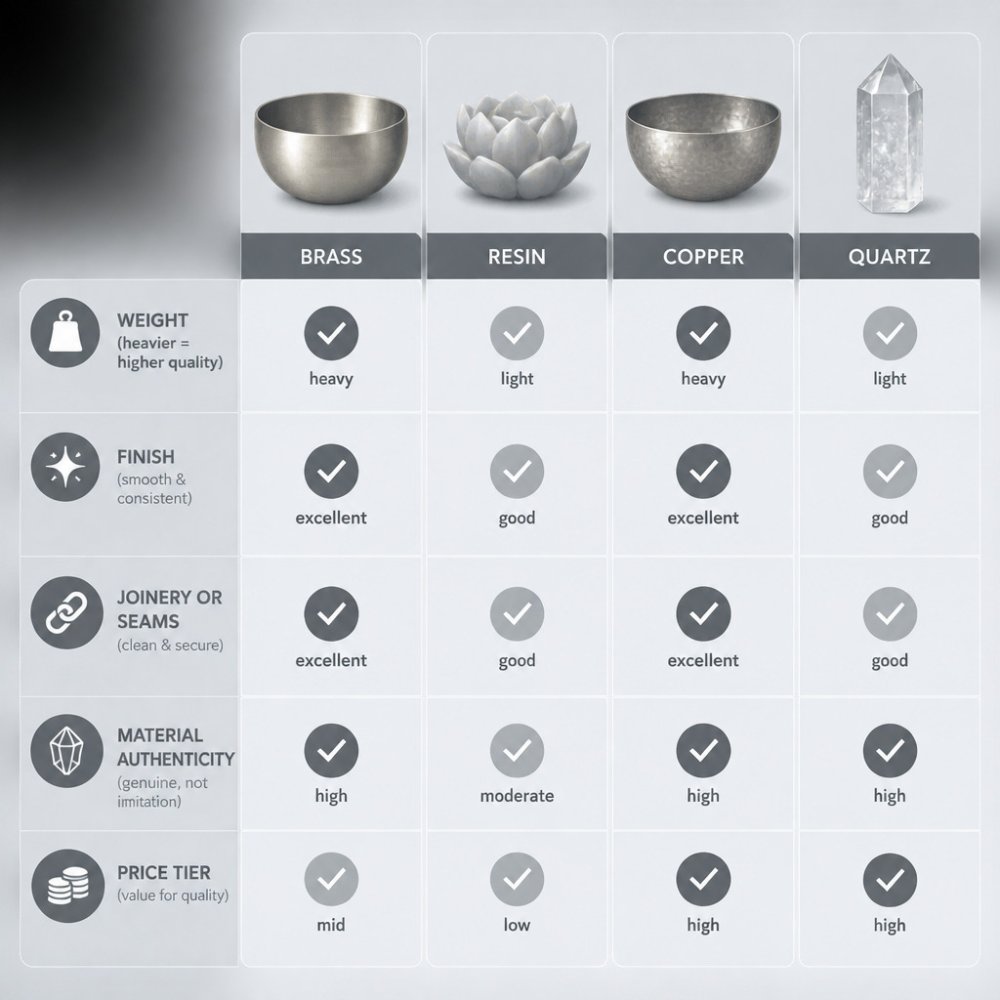
- Check the weight. A well-made tool feels solid. Anything that feels hollow or unusually light deserves a closer look.
- Inspect the finish. Look for smooth, even surfaces with no rough patches, bubbling, or uneven coating.
- Examine joins and seams. On bowls, burners, and wands, check where pieces meet. Tight, clean joins signal careful making.
- Confirm the material. Ask what the tool is made from. Brass, copper, resin, and quartz each have different care needs, and a reputable seller will tell you plainly.
- Test the function. Ring a bell, hold a wand at ritual length, or set a bowl on a flat surface to see whether it sits level.
- Compare the price tier. Price alone does not prove quality, but a price far below similar items deserves questions.
Pricing Tiers by Tool Category
Prices vary a great deal across tool types. Here is how our current range sits:
- Entry tier ($1.95 to $9.95): Incense resin, holy water, and the brass hand bell.
- Mid tier ($8.95 to $21.95): Smudging sets, the faceted clear quartz pendulum, the copper offering bowl, and the triple moon wand.
- Premium tier ($19.95 to $49.95): The brass resin burner, the centering ritual kit, and the dark blue chakra singing bowl.
A higher price does not automatically mean a better tool for you. Match the tier to how often you will use the item.
Use these checks to judge a tool's quality in person, and compare the price tiers below before you buy.
| Price tier | Price range | Examples from the article |
|---|---|---|
| Entry | $1.95 to $9.95 | Incense resin, holy water, brass hand bell |
| Mid | $8.95 to $21.95 | Smudging sets, clear quartz pendulum, copper offering bowl, triple moon wand |
| Premium | $19.95 to $49.95 | Brass resin burner, centering ritual kit, dark blue chakra singing bowl |
Price range
Essential Items for a Ritual and What Each One Does
Every item in a ritual should have a purpose. Knowing what each piece does helps you buy only what your practice needs.
Bell: Marks transitions. Ring it to open a session or close one. Our Brass Hand Bell (3") is $9.95.
Chalice: Holds liquid for offerings or blessings. The Pentagram Ritual Chalice is designed for this purpose.
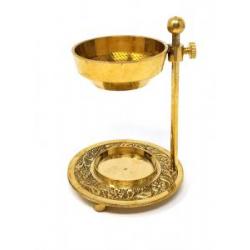
Burner: Holds loose resin or herbs over a charcoal disc. Our Brass Burner - Resin (4.5"H) costs $19.95, and the Frank & Myrrh Granular Resin - 1 oz is $1.95 to fill it.
Pendulum: Used for dowsing and simple divination. Our Faceted Clear Quartz Pendulum is $5.95, and its facets help produce clear, accurate movement.
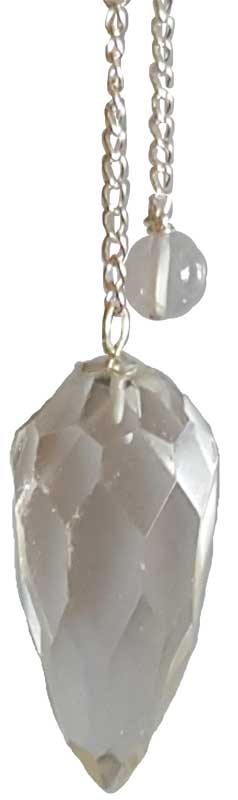
Wand: Directs energy during a ritual. The Triple Moon Wand (14"L) is $21.95 and is hand painted cold cast resin.
Holy water: Used for blessing and purifying. Our Holy Water (4 oz) is $4.95.
Singing bowl: Supports meditation and sound work. The Chakra Singing Bowl - Dark Blue is $49.95 and includes a case, mat, mallet, and instructions.
How to Vet a Local Metaphysical Shop
The query that brought you here is about finding quality tools locally, so the work starts before you walk in. Most top-ranking guides stop at 'visit a shop and ask questions.' This section goes further: how to locate candidates, how to screen them remotely, and what to inspect once you are on the floor.
Find candidate shops with local search tactics
Start with map-based searches rather than generic web results. Search phrases like 'metaphysical shop near me,' 'occult bookstore [your ZIP],' or 'crystal shop open now' and then use the map filters for distance, hours, and 'open now.' Cross-check the business profile for recent photos of the sales floor, because a listing with only stock images rarely reflects current inventory.
Supplement maps with community sources. Local pagan, witchcraft, and meditation groups on social platforms and community boards often name shops that treat beginners well. A recommendation from someone who has bought there carries more weight than a star rating.
Before making the trip, call or message the shop with two specific questions: whether they carry the tool category you need (for example, cast-metal bells or loose resin incense) and whether staff can explain material and care. A shop that answers clearly and without pressure is a better bet than one that only quotes prices.
Ask provenance questions that reveal quality
Quality in ritual tools is partly about materials and partly about how they were made. Ask where the wood, metal, resin, or stone came from and whether the piece was made in-house, by a local artisan, or imported. For crystals, ask whether the shop knows the country of origin and whether the stone is natural or treated; treated stones are common and not inherently bad, but a seller should say so plainly. For smudging materials, ask whether the sage or cedar is cultivated or wild-harvested and whether the shop sources from suppliers who respect sustainable harvest. For wooden wands and bowls, ask what finish was used, because food-safe oils and hard waxes behave differently from lacquer.
A reputable shop will answer these questions without defensiveness. If staff cannot say where a high-priced stone came from, treat that as a signal to compare elsewhere.
Inspect construction in person
Once you are in the shop, run the same checks you would apply to any durable good. Pick up the piece and feel for balance; a wand should feel comfortable at ritual length, and a chalice should sit level on a flat surface without rocking. Look at joins on bowls, burners, and wands: tight, clean seams suggest careful assembly, while visible gaps or excess adhesive suggest shortcuts. Check finishes for even coating, bubbling, or rough patches, especially on cast resin and painted wood. Ring a bell and listen for a clear tone rather than a dull thud, and test moving parts such as pendulum chains and burner hinges.
Watch out: a polished display piece can hide a thin casting or a loose fitting, so ask to handle the exact item you will buy rather than the floor model.
Benchmark prices before you commit
Prices for ritual tools vary widely by material and maker, so arrive with a rough sense of fair ranges. Mass-produced brass bells and small offering bowls commonly sit in the single digits to low teens, while hand-thrown pottery chalices, hand-forged blades, and large singing bowls often run into the tens or higher. Handmade and local artisan pieces legitimately cost more than imported equivalents; the question is whether the shop can explain what the extra cost buys, such as local labor, better materials, or small-batch construction. If a price seems far below comparable items, ask why before assuming a bargain.
Check accessibility and welcome
A shop worth returning to is one you can actually use. Confirm step-free entry, aisle width, and seating if you need them, and ask whether staff are comfortable helping customers who are new to the practice or who do not identify with a particular tradition. A good shop lets you browse without pressure and is willing to say when a cheaper item will do the job. Those signals tell you more about long-term quality than any display.
How to Cleanse Ritual Tools Properly Before Use
Cleansing new tools before their first use is a common practice. Start by handling the item and setting an intention for what you want it to do in your work.
Use smoke from our Spirit Pot Lavender Loose Sage to pass the tool through, or use the Cleansing Soy Votive to move the tool through a gentle flame and warm air. Keep fire safety in mind, and never leave a flame unattended.
After cleansing, store the tool somewhere clean and dry. Brass and copper benefit from occasional wiping with a soft cloth, while resin and quartz should be kept away from harsh cleaners.
Why Buying Ritual Tools Locally Makes a Difference in Western New York
Buying locally is not just a feel-good slogan; it changes what you can know about a tool before you own it. You can read more in Benefits of Buying Crystals in Person.
Local buying also supports ethical provenance. A shop owner who sources from regional artisans can tell you who made a wand or bowl and what finish was used.
Budget-wise, local shopping lets you compare tiers side by side. You can hold a $9.95 brass bell next to a hand-forged piece and judge whether the difference in price matches the difference in construction.
Community relationships are the practical payoff. A shop that knows your practice can point you toward the right tool for a specific working, warn you away from a poor fit, and help you care for what you buy.
Your Next Step: Visit Spiritually Rooted and Shop the Collection
Ready to find your next ritual tool? Visit Spiritually Rooted to hold the pieces yourself, ask our team questions, and shop the collection with confidence. Start with the Brass Hand Bell (3") at $9.95 or the Centering - Ritual Kit at $29.95.
Frequently Asked Questions
Where can I find high-quality ritual tools near me?
Start with established metaphysical stores in your area, then visit in person so you can handle the items. Spiritually Rooted, the largest metaphysical store in western New York, stocks ritual supplies such as the Brass Hand Bell (3") at $9.95, the Om Copper Offering Bowl (3") at $14.95, and the Triple Moon Wand (14"L) at $21.95. Handling a tool in person lets you check weight, finish, and construction before you spend money.
How can I tell whether a ritual tool is well made?
Look at the construction first. Check that the finish is smooth and that the stated material matches what you see.
Is it better to buy ritual tools locally or online?
Buying locally lets you inspect weight, finish, and size before you pay, which is hard to do with photos alone. You can also ask questions and get guidance from staff. Handling a tool in person can help you judge it before you buy.
What should I look for when buying crystals and ritual supplies in person?
Compare the Faceted Clear Quartz Pendulum ($5.95) by feel and inspect it before buying. The Frank & Myrrh Granular Resin, 1 oz is $1.95.


